
Modular vs. Traditional Homes: A Comparison Guide for Hong Kong Buyers


Understanding Modular and Traditional Homes
As the demand for housing in Hong Kong grows, potential homeowners are exploring different construction methods. Two prominent options are modular and traditional homes. Each has its unique features, benefits, and challenges. Understanding these can help buyers make informed decisions.
Modular homes are prefabricated buildings constructed off-site and assembled on location. They offer a modern solution to housing with efficiency and sustainability at the forefront. In contrast, traditional homes are built entirely on-site, allowing for more customization and architectural diversity.
Construction Time and Efficiency
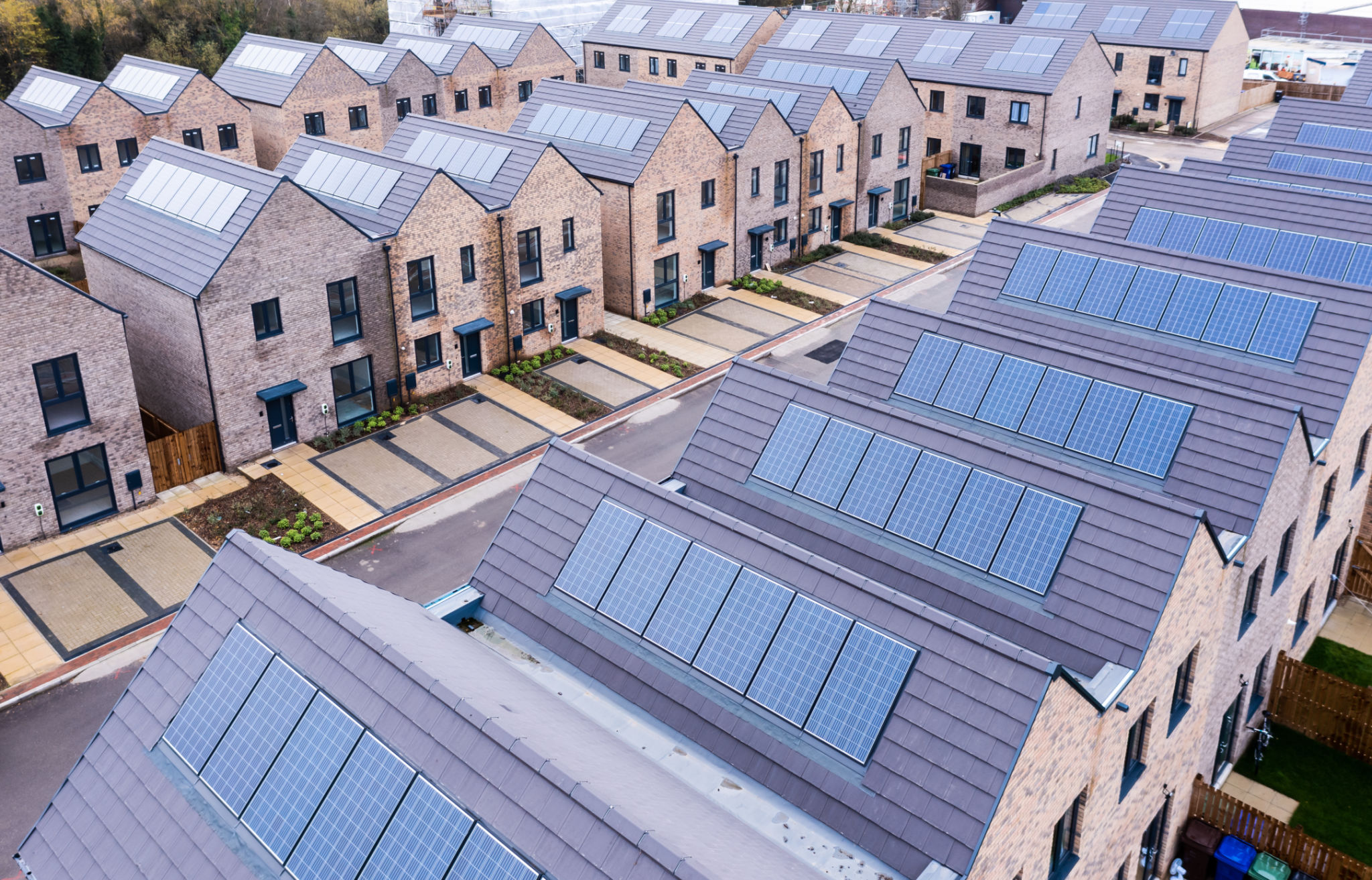
One of the most significant advantages of modular homes is the reduced construction time. Modular homes can be completed in weeks rather than months or years, as seen with traditional homes. This efficiency is achieved by constructing modules simultaneously in a factory setting, minimizing delays caused by weather or logistical issues.
Traditional homes, while potentially slower to build, offer the advantage of flexibility during construction. Changes to design and materials can be made on-site, allowing for greater customization. However, this can also lead to longer construction periods and increased costs.

Cost Considerations
The cost of building a home is a crucial factor for buyers. Modular homes can be more cost-effective due to the streamlined construction process and reduced labor costs. The controlled factory environment also helps minimize waste, contributing to overall savings.
On the other hand, traditional homes may incur higher costs, especially if delays or changes occur during construction. However, the potential for a unique, tailor-made home can justify the extra expenditure for some buyers.
Environmental Impact
With growing awareness of environmental issues, the sustainability of construction methods is a key consideration. Modular homes are often seen as the greener option, as factory construction reduces waste and energy usage. Additionally, the ability to incorporate energy-efficient technologies during assembly can further lower the environmental footprint.

Traditional homes can also incorporate sustainable practices, but the on-site nature of their construction may lead to more waste and resource consumption. Nevertheless, with careful planning, traditional homes can achieve high environmental standards.
Design and Aesthetic Flexibility
Design flexibility is another critical factor for many homebuyers. Modular homes have improved significantly in this area, offering a range of customizable designs and finishes. However, they may still face limitations compared to the bespoke possibilities of traditional homes.
Traditional homes provide unparalleled flexibility in design, allowing architects and homeowners to create unique and personalized living spaces. This ability to customize extensively can be a decisive factor for those prioritizing aesthetics and individuality.
Conclusion: Choosing the Right Option
In conclusion, the choice between modular and traditional homes depends on various factors, including budget, timeline, environmental concerns, and personal preferences. Modular homes offer speed, efficiency, and sustainability, appealing to those seeking a quick and eco-friendly solution. Conversely, traditional homes provide customization and design freedom, ideal for buyers who prioritize individuality and are willing to invest time and resources.
By weighing these considerations carefully, Hong Kong buyers can choose the home construction method that best aligns with their needs and lifestyle aspirations.